
Choosing the right decking material is one of the most important decisions you’ll make when building or replacing a deck. Cincinnati’s climate brings hot summers, freezing winters, heavy rain, and humidity—all of which can take a toll on outdoor structures. Whether you’re looking to enhance your backyard for entertaining, add long-term value to your home, or build a low-maintenance outdoor living space, selecting the right decking material is key to your deck’s performance and longevity.
At Mueller Remodeling, we’ve spent more than 20 years helping homeowners across Ohio design and build beautiful, durable decks that stand up to our region’s unpredictable weather. If you’re deciding between composite and pressure-treated wood decking, this guide will help you make the best choice for your home.
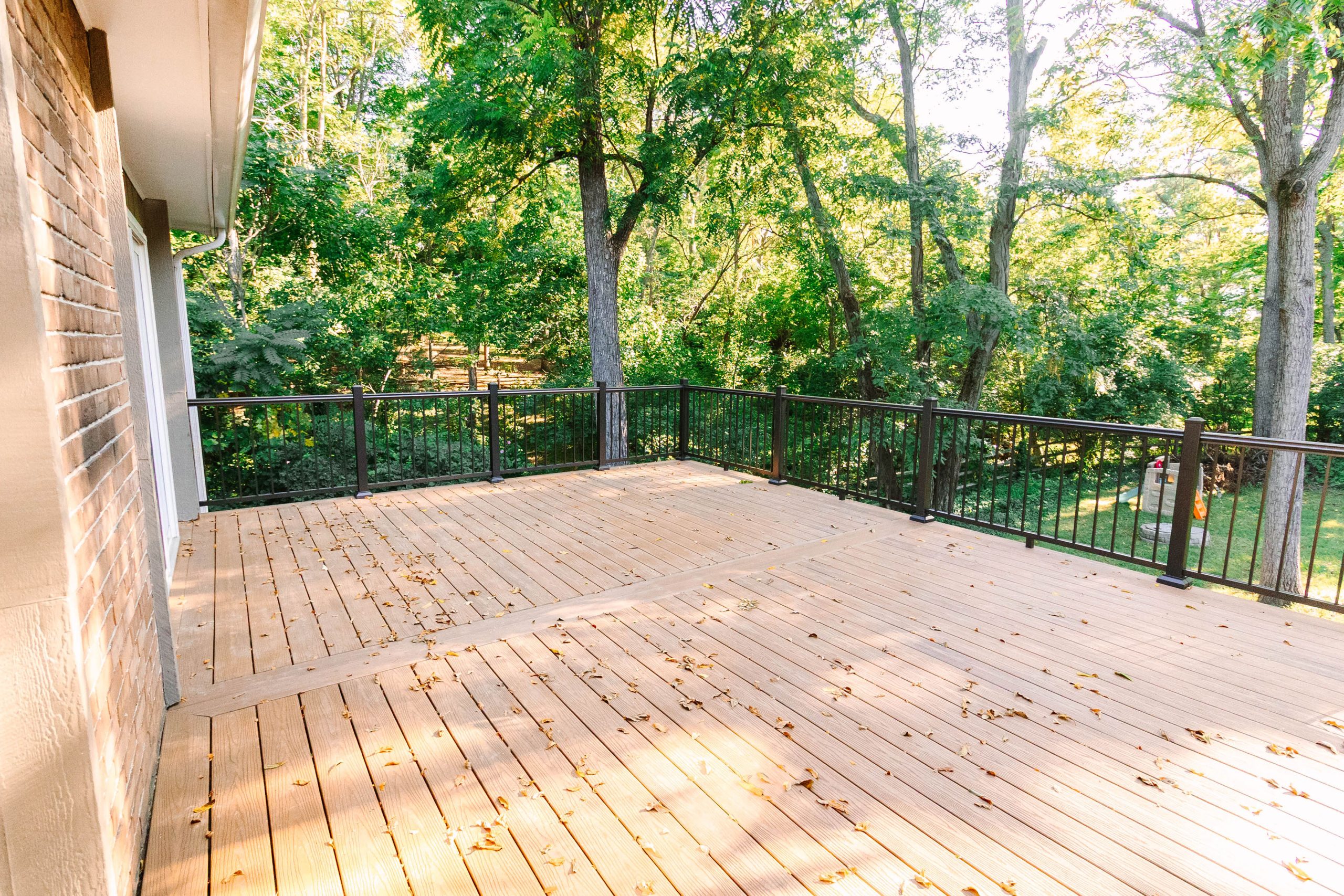
Before deciding, it’s important to understand what separates these two popular decking materials.
Composite decking is made from a blend of recycled wood fibers and durable polymers. It’s engineered to resist moisture, fading, and weather damage—making it a strong choice for Ohio’s climate.
Pressure-treated wood, on the other hand, is natural lumber infused with preservatives to prevent rot and insect damage. It offers a traditional look and lower up-front cost, but requires more ongoing maintenance.
The best option depends on your budget, long-term expectations, and how much maintenance you want to handle over the years.
Composite decking has grown in popularity because of its durability, minimal upkeep, and long lifespan—especially in climates with dramatic seasonal changes like Cincinnati.
Advantages of Composite Decks:
If you want a deck that remains beautiful with minimal upkeep, composite is usually the better long-term investment.
Pressure-treated wood remains a popular option for homeowners who prefer the natural look and lower initial cost of real lumber.
Advantages of Wood Decks:
Long-Term Considerations:
Wood can be a great option if you love the natural look and don’t mind regular upkeep to protect it from Ohio’s climate.
Ohio’s temperature fluctuations, humidity levels, and seasonal storms mean your decking material needs to handle weather extremes.
Moisture & Humidity:
UV Exposure:
Freeze–Thaw Cycles:
Insects:
Cincinnati’s climate heavily favors composite for long-term durability and fewer weather-related issues.
With more than two decades of experience designing and building decks in Ohio, Mueller Remodeling is the trusted choice for homeowners looking for quality craftsmanship and honest guidance. We help you choose the best materials for your property, your budget, and Cincinnati’s unique weather conditions.
What We Offer:
Our mission is simple: to build a deck that enhances your outdoor living space and stands strong year after year.
Whether you’re leaning toward the long-lasting durability of composite or the warm, traditional look of wood, Mueller Remodeling can help you make the best decision for your home. We’ll walk you through your options, explain cost differences, and design a deck that fits both your lifestyle and your property.
📞 Contact Mueller Remodeling today to schedule your consultation and discuss your decking options.
Composite typically lasts 25–30+ years with very little maintenance, making it more durable than wood in Ohio’s climate.
Some composite brands can warm up in direct sun, but new technology has greatly reduced heat retention.
It should be sealed or stained every 1–3 years to protect against moisture and UV damage.
For most Cincinnati homeowners, yes. Its low maintenance, long lifespan, and durability often make it the better long-term investment.
Yes—some homeowners choose composite decking with wood framing to balance cost and durability.
